
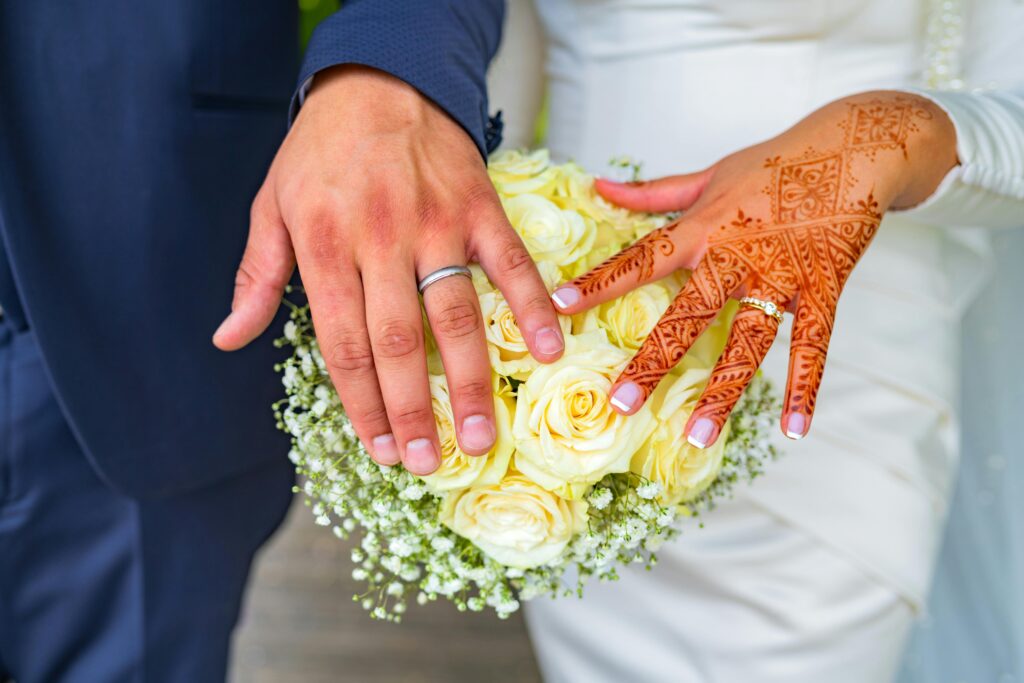
“Curiosity, not expertise, builds trust with multicultural couples.”
The UK’s wedding landscape is changing – and extremely fast. For wedding suppliers, embracing this change isn’t just the right thing to do. It is becoming a core competitive advantage.
The Changing Face of UK Weddings
Multicultural weddings in the UK are no longer niche. According to the Office for National Statistics (ONS), in 2011 nearly one in ten people (9%) who were living as part of a couple in England and Wales were in an inter-ethnic relationship – and we can assume that number has only gone up in the last decade.
While that data is not wedding-specific, it signals a broader shift in relationships and by extension, weddings.
Moreover, insight from industry sources suggests that the South Asian wedding market in the UK contributes billions to the wider wedding economy. The award-winning Wedding Pros Who Are Ready To Grow podcast quoted this segment as being around £4-5 billion, or roughly “a third of the industry” in some contexts.
For wedding suppliers, this means: if you are not actively prepared for multicultural weddings, you’re missing a significant part of the market.
Why Cultural Awareness Matters
Good business always starts with impeccable service. Suppliers who instinctively understand (or are willing to learn) the traditions, expectations and logistical nuances of multicultural weddings often earn stronger referrals, higher trust and repeat business. The power of our network is unmatched.
Here are some reasons why cultural awareness pays off:
- Larger and multi-day celebrations: Many multicultural weddings span multiple events (such as mehndi, sangeet, ceremony, reception for South Asian weddings) and involve larger guest lists. As noted in the Stylist: while the average British wedding cost is circa £21,000, Asian weddings in the UK often surpass £50,000.
- Demand for specialist services: From halal or kosher catering to fire rituals, guest dance unions, and multi-cultural décor – couples want suppliers who get it. A major bonus for the suppliers who also openly market this in their imagery and websites.
- Representation matters: Couples increasingly look for suppliers who reflect or understand their heritage, and who use inclusive language and visuals. It’s not just about saying “all are welcome”, but showing it through action.
While every wedding is unique, there are recurring themes across cultural and religious traditions that suppliers should know:
- Dietary needs: For example, Hindu weddings might avoid beef; Muslim weddings could require halal certification and no pork or alcohol; Jewish celebrations may require kosher menus. A failure to ask can lead to awkwardness or offense – we can’t just assume, but we need to be mindful to not offend.
- Dress codes & venue etiquette: Some ceremonies necessitate modest attire or head coverings (e.g., in gurdwaras or mosques). Other venues may require removal of shoes or gender-specific seating.
- Timing & sound: Suppliers who build flexibility (in timing, sound, and layout) tend to fare better.
- Ceremony logistics: Certain rituals – like fire ceremonies in Hindu ceremonies require defined space, safety checks, and dedicated supplier coordination.
- Family and extended guest involvement: Multicultural weddings often feature larger family groups, multiple events and extended guest lists. Understanding the family dynamics and event structure helps suppliers anticipate needs (e.g., extra accommodation, translation/interpretation, large guest buses).
How to Approach Multicultural Weddings with Confidence
You don’t need to become an expert in every tradition. Instead, developing the right mindset and habitual behaviours makes a real difference:
Ask thoughtful questions: In early meetings ask clients: “Are there any cultural or religious traditions I should know about? The ones I’m aware of are…” This signals your openness and respect.
It’s also important to reference and show examples of those weddings you have been a part of for specific cultures in your couples meetings. Share your experiences, what you loved, and what you offered that was unique.
- Educate yourself: A little research goes far. Knowing basic terms – like “chuppah”, “nikkah”, “mandap” – shows effort and earns trust.
- Build a network of specialists: Partnering with caterers, planners, or décor teams experienced in diverse weddings can strengthen your offering and confidence.
- Offer genuine flexibility: Allow for extra setup time, transitions, multiple ceremony formats and guest flow changes – build those into your planning and pricing.
- Reflect inclusion in your marketing: Your website, imagery and testimonials should show diverse couples and traditions.
- Be culturally curious: It’s not about knowing everything. It’s about showing curiosity, listening well and adapting where needed.
Key Takeaway: Embracing the Opportunity
Multicultural weddings represent one of the fastest-growing segments of the UK wedding market. Suppliers who are willing to understand, adapt and genuinely welcome these celebrations stand to gain not just financially, but reputationally too.
And beyond business, the reward is meaningful: helping couples honour their heritage, tell their story and create a celebration that is uniquely theirs.
The UK Wedding Association invites all suppliers to adopt cultural awareness – not as an optional add-on, but as a standard part of great service. When every couple feels celebrated, seen and respected, the industry becomes richer, more creative and more inclusive.
This article was written by Anshika Arora of Eternity. An expert and consultant for multicultural weddings and the Gen Z wedding consumer.